
A beginner’s guide to the simplest, most rewarding thing you can grow at home
This post contains affiliate links. If you purchase through my links I may earn a small commission — at no extra cost to you. I only ever recommend products I genuinely believe in and that align with the Freshroots Living philosophy. Thank you for supporting this blog!
There’s something quietly transformative about snipping fresh basil into a pasta dish, or dropping a sprig of homegrown mint into your water. It’s a small thing — but it connects you to your food in a way that a supermarket bag never quite can.
The good news? You don’t need a garden, a green thumb, or even much space. A sunny windowsill is genuinely all it takes to get started. And once you do, you’ll wonder why you waited so long.
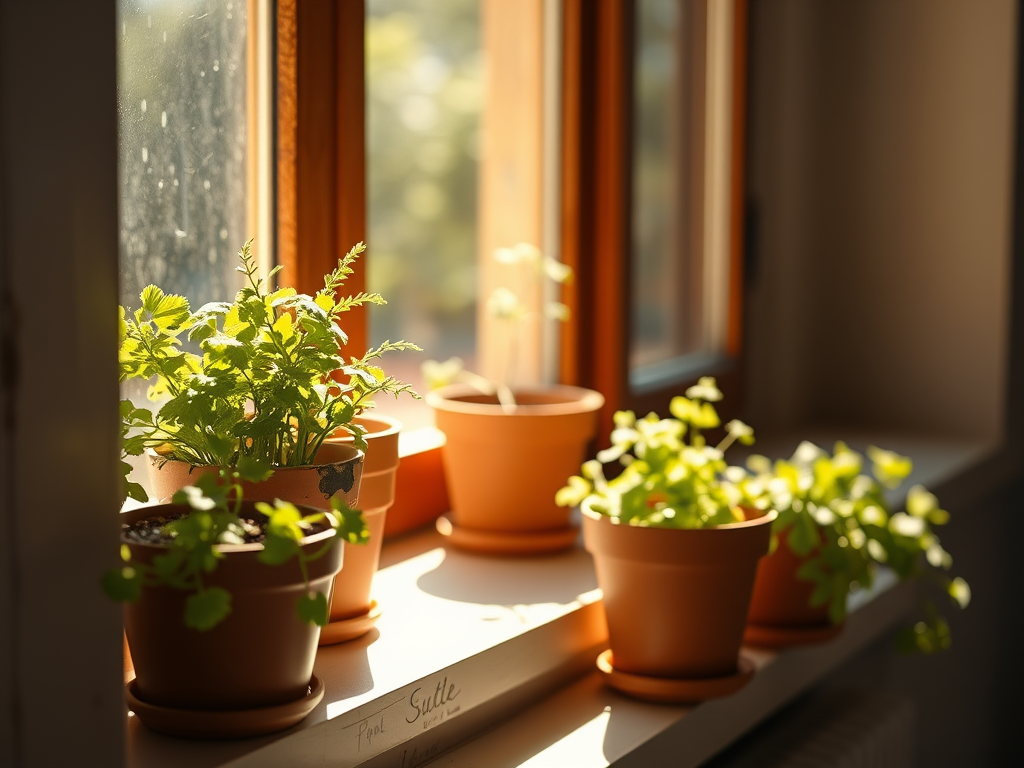
Why Herbs Are the Perfect Starting Point
If you’ve ever wanted to grow your own food but felt overwhelmed about where to begin, herbs are your answer. Here’s why:
They grow fast — you’ll see results within days, not months. They’re compact — a single pot fits neatly on any windowsill. They’re useful — fresh herbs make an immediate difference to your cooking and wellbeing. And they’re forgiving — most varieties bounce back even if you forget to water them occasionally.
They’re also one of the best-value things you can grow at home. A small pot of basil from the supermarket costs around $3–4 and lasts a week. Grow your own from seed for a fraction of that, and it keeps producing for months.
The Best Herbs to Start With
Not all herbs are created equal for indoor growing. These five are the most beginner-friendly and useful in everyday cooking and wellness:
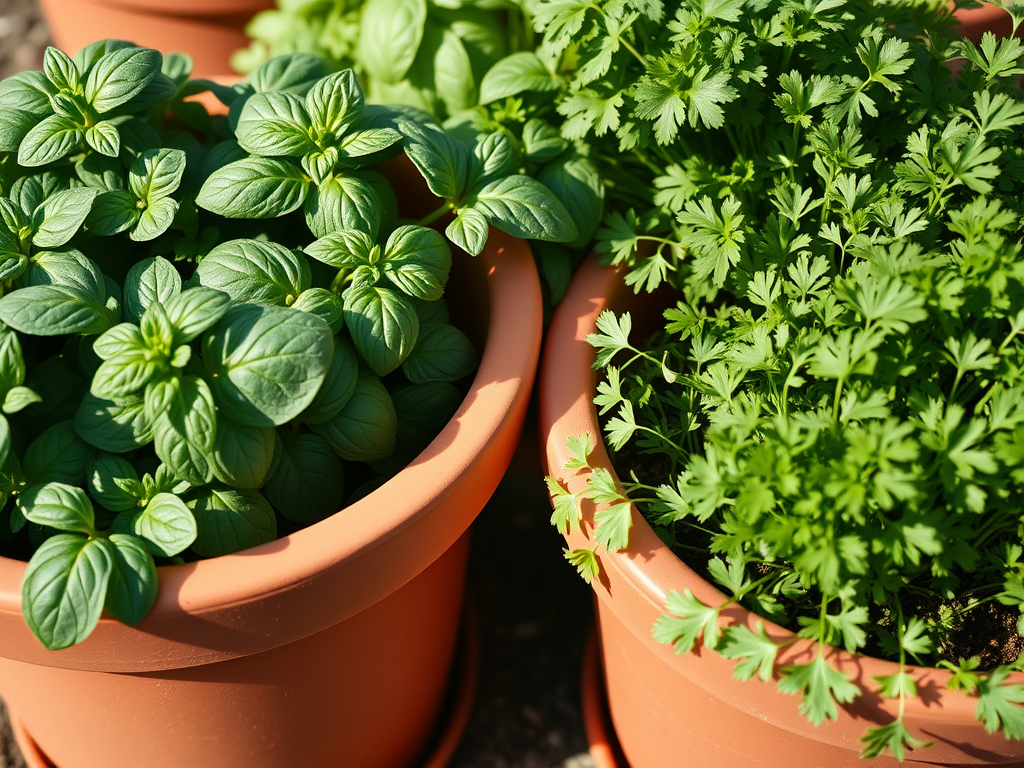
Basil — the classic. Loves warmth and sunshine. Perfect for pasta, salads, and homemade pesto. Grows quickly and looks beautiful on a kitchen windowsill.
Mint — almost impossible to kill. Thrives indoors and spreads enthusiastically — keep it in its own pot. Great for teas, water infusions, and desserts. Also a natural insect repellent.
Chives — incredibly low maintenance. Snip the tops and they regrow within days. Mild onion flavour that works in almost everything — eggs, soups, salads, dips.
Parsley — slower to start but worth the patience. One of the most versatile kitchen herbs, and rich in vitamins C and K. Flat-leaf varieties tend to have the best flavour.
Thyme — almost drought-tolerant, which makes it ideal for beginners who occasionally forget to water. Wonderful in roasted vegetables, soups, and teas. Also has natural antimicrobial properties.
What You’ll Need
The beauty of windowsill herb growing is how little equipment is involved:
- Small terracotta pots with saucers and drainage holes — this is the most important thing to get right
- Indoor potting mix — good quality – avoid garden soil, which compacts and drains poorly indoors
- Seeds or seedlings — seedlings give you a head start, seeds give you more satisfaction
- Watering can for indoor plants – one with a narrow long spout is best
- Wooden herb markers – labelling is a good idea to begin with
- Organic liquid herb fertilizer – for extra food when needed
- A sunny windowsill — south or north-facing works best
That’s genuinely it. No special tools, no expensive equipment.
How to Get Started — Step by Step
Step 1 — Choose your spot. Find the sunniest windowsill in your home. Most culinary herbs need at least 4–6 hours of light daily. A kitchen window is ideal — you’ll actually use what you grow.
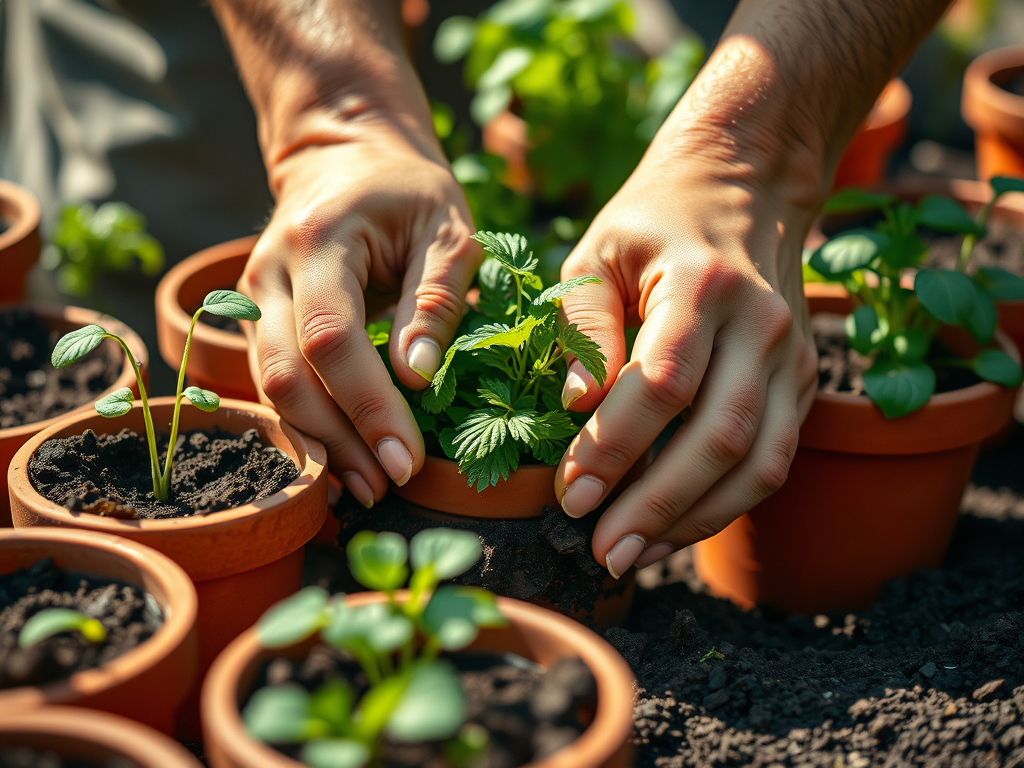
Step 2 — Prepare your pots. Fill each pot with potting mix to about 2cm below the rim. Dampen the soil gently before planting — it should feel like a wrung-out sponge. Not soggy, not bone dry.
Step 3 — Plant your herbs. If using seeds, sow them shallowly — most herb seeds only need to be covered by about their own depth of soil. If using seedlings, gently loosen the roots and plant at the same depth they were in their original container.
Step 4 — Water carefully. The most common mistake beginners make is overwatering. Check the soil with your finger — if the top centimetre feels dry, it’s time to water. If it still feels damp, wait another day.
Step 5 — Harvest regularly. This is the part most beginners get wrong — they’re too cautious about picking. Regular harvesting actually encourages your herbs to grow more. Snip stems just above a leaf node, never taking more than a third of the plant at a time
A Few Things Nobody Tells You
Supermarket herb pots aren’t meant to last. Those cheap basil pots you buy at the supermarket are typically crammed with multiple seedlings and grown fast for quick sale — they’re not designed to thrive long-term. If you buy one, repot it immediately, separating the seedlings into individual pots with fresh soil.
I use these terracotta pots — they’re inexpensive, breathable, and look beautiful on a windowsill.
Drainage matters more than watering. More herbs die from waterlogged roots than from drought. Always use pots with drainage holes, and never let your pots sit in standing water.
Flowering is a warning sign. When herbs start to flower (called “bolting”), the leaves lose flavour. Pinch off any flower buds as soon as you see them to keep your plant focused on leaf production.
They need feeding too. After about a month, give your herbs a fortnightly liquid feed with a gentle organic fertiliser. You’ll notice the difference in growth and flavour almost immediately.
I recommend this organic liquid fertiliser — gentle enough for indoor herbs and makes a noticeable difference within a week or two.
The Bigger Picture
Starting with a windowsill herb garden is just that — a start. Once you’ve experienced the satisfaction of growing something you actually eat, something shifts. You start wondering what else is possible. Could you grow salad greens? Cherry tomatoes? Enough to make a real dent in your grocery bill?
The answer, even in a small apartment, is yes — and it’s more achievable than most people think.
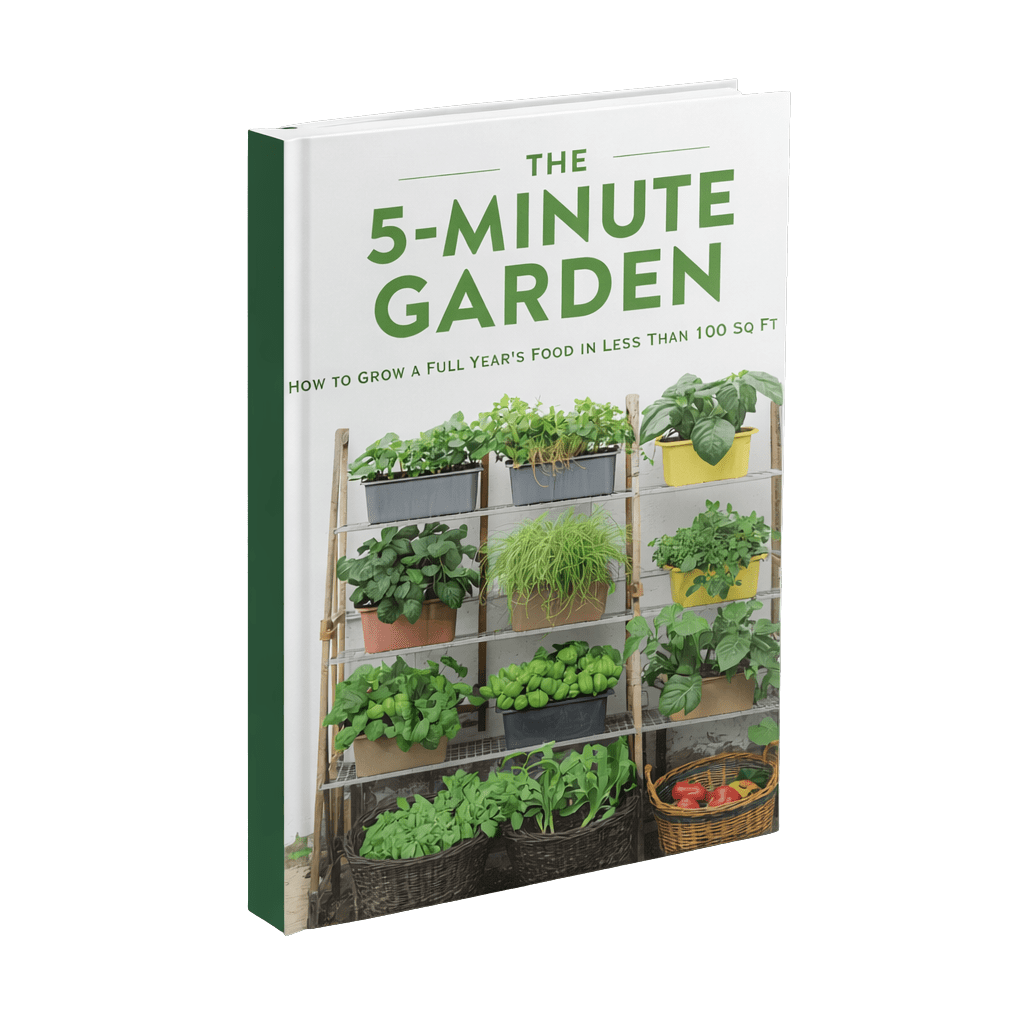
If that curiosity has been sparked and you’re ready to go beyond herbs, I’ve recently heard about a system that takes small-space food growing to the next level — designed specifically for people without gardens, without experience, and without hours to spare.
👉 Read about The 5-Minute Garden system here
But for now? Start small. Pick one herb. Find your sunniest windowsill. Give it a go.
That first snip of something you grew yourself is worth more than any blog post can describe.
My Recommended Windowsill Herb Kit
Everything you need to get started — all tried, tested, and Freshroots-approved.
The basics:
🪴 Small Terracotta Pots with Saucers The classic choice for good reason. Terracotta is breathable, which means better drainage and healthier roots. A set of three or four is perfect for starting out.
🪴 Herb Seeds Good quality seeds to grow from scratch.
🌱 Indoor Potting Mix Never use garden soil for indoor herbs — it compacts and drains poorly in containers. A quality potting mix makes a genuine difference to how well your herbs grow.
💧Watering Can A gentle spray head prevents soil disturbance and overwatering. Small enough for indoor use, and honestly one of those purchases that makes the whole process more enjoyable.
🌿 Organic Liquid Herb Fertiliser After the first month, your herbs will need a little extra nutrition. This organic formula is gentle, effective, and safe to use around food.
🪵 Wooden Herb Markers A small thing, but labelling your pots keeps things organised — especially when seedlings all look the same at first. These look beautiful on a windowsill too.
🪵 Small Indoor Tools Not essential, as a large spoon would also do, but dedicated tools are not a bad idea for food safety purposes.
Want to skip the individual shopping and start with everything in one box?
🎁 Complete Windowsill Herb Growing Kit Seeds, pots, soil and instructions all included — and it makes a wonderful gift too. This is the easiest possible way to get started today.
Enjoyed this guide? Save it to Pinterest and follow Freshroots Living for more simple, sustainable living ideas.
This post contains affiliate links. If you purchase through my links I may earn a small commission, at no extra cost to you. I only ever recommend things that genuinely align with the Freshroots Living philosophy.
 Freshroots Living
Leave a comment